Used Backhoe Loader vs Excavator: Which Fits Your Work?
Illustrative image only; it does not depict a specific available unit or verify its condition.
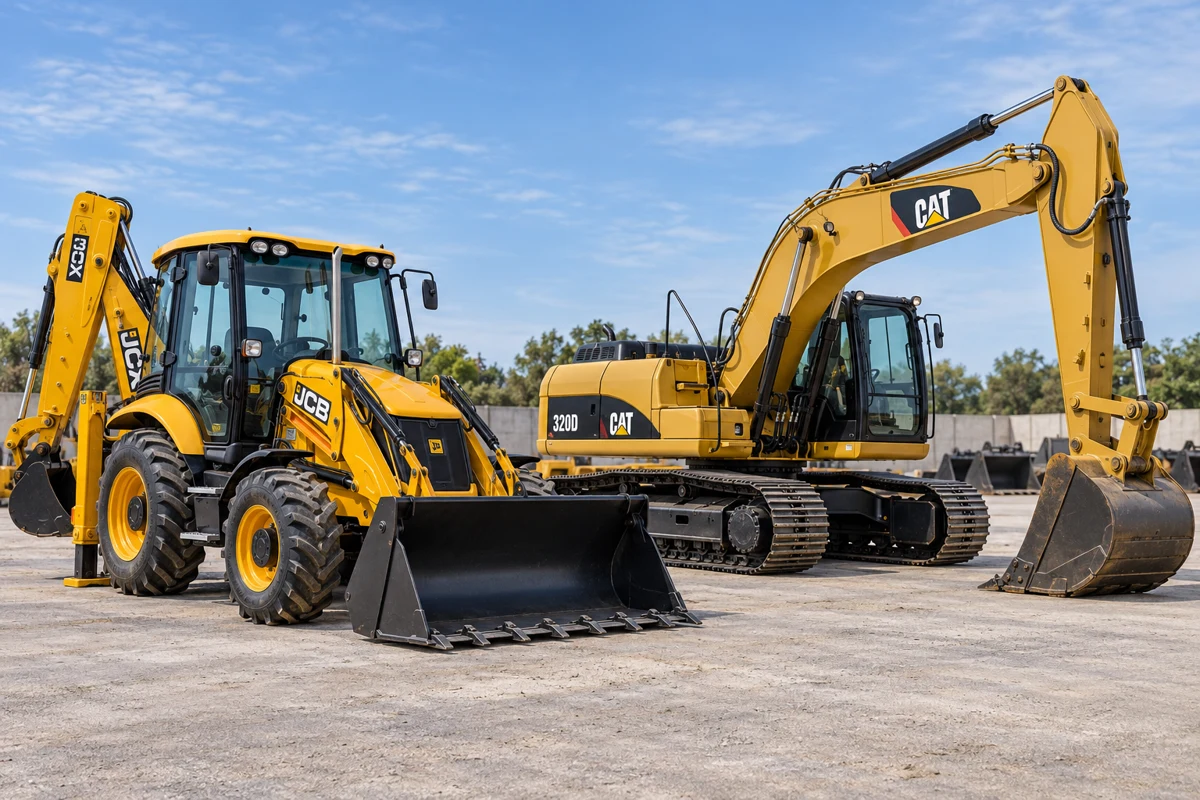
Write down the daily work
List excavation depth, loading tasks, ground conditions, access width and how often the machine must move. A backhoe loader combines front loading and rear digging functions, while an excavator is built around digging and slewing. The useful comparison starts with your actual jobs.
Check specifications for the exact configuration
Compare reach, digging depth, lifting limits, attachment compatibility and transport dimensions using the documentation for the specific machine. Published numbers for another boom, tire, track or attachment configuration may not apply.
Include movement and support costs
Consider site-to-site transport, local road requirements, tire or undercarriage maintenance, parts availability and operator experience. If the work requires both loading and excavation, estimate the time each option would spend on each task before choosing.
Request the right evidence
For a used backhoe loader, inspect both loader and backhoe functions along with steering, braking and stabilizers. For an excavator, assess travel, slew, digging functions and undercarriage condition. Have a qualified inspector verify safety-critical systems before use.
Frequently Asked Questions
What is the main difference between a backhoe loader and an excavator?
A backhoe loader combines a front loader with a rear digging attachment. An excavator uses a slewing upper structure and digging equipment. Compare the exact configuration and operating limits against your digging and loading tasks.
Which machine is better for digging and loading on the same project?
It depends on the depth, reach, material, loading height and time spent on each task. A backhoe loader may suit mixed tasks, while an excavator may fit more excavation-focused work. Compare documented capabilities rather than choosing from the machine type alone.
Can I drive a backhoe loader between jobs?
Do not assume every machine is eligible for road travel. Confirm the unit’s condition and the local registration, equipment and transport requirements with the relevant authorities or a qualified local operator before planning site transfers.
What should I inspect on a used backhoe loader?
Inspect both loader and backhoe functions, stabilizers, linkage, tires and driveline components. Have a qualified inspector assess steering, brakes and other safety-critical systems using the applicable procedures.
Should I compare purchase price alone?
No. Include attachments, inspection, immediate repairs, transport, parts support and the machine’s fit for your work. Ask for specifications and inspection evidence for the exact unit you are considering.
What should I compare when choosing a used backhoe loader or excavator for property work?
List the digging, loading and travel tasks first. Compare the exact machine’s operating weight, reach, stability, attachment interface, auxiliary hydraulic requirements, transport needs and local service support. Confirm compatibility from the specific machine and attachment documentation.
Reddit discussion: backhoe vs excavator for farm use
In “Backhoe vs Excavator farm use” on r/heavyequipment, a prospective buyer compared a used backhoe’s combined functions and greater weight with an excavator at a similar price, and asked about heavier property work and hydraulic attachments such as a breaker. The question points to the key buying criteria: job mix, weight, attachment compatibility and hydraulic configuration. The post showed 66 votes and 51 comments when checked on October 30, 2026; counts change over time.