BUYING GUIDES · FARM & PROPERTY
Used Excavator for Farm Use: How to Choose the Right Size
A used excavator can help a farm with drainage, trenching, clearing, pond work and building preparation. The best fit depends on the work you actually expect to do, how often the machine will run, access around the property and how you will transport it. Choose from documented capabilities and condition evidence, not a size label alone.
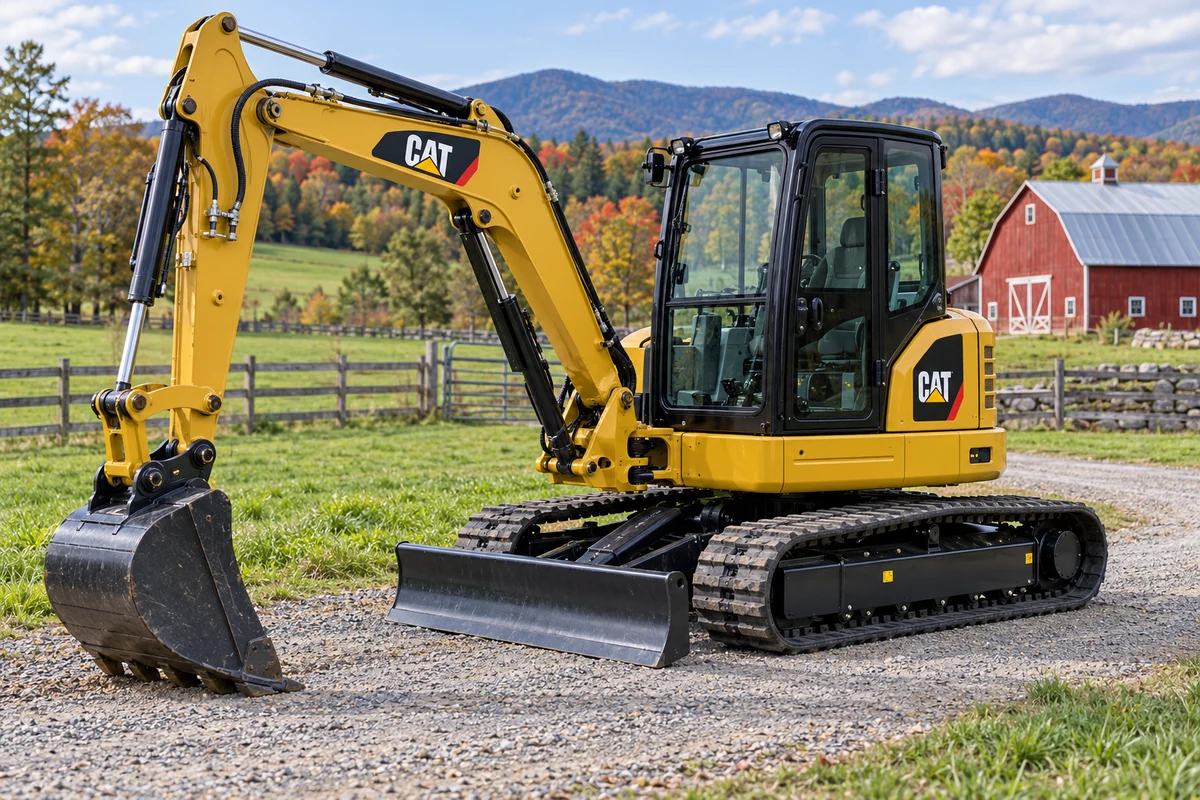
Illustrative image only; it does not depict a specific available unit or verify its condition.
List the farm projects before shopping
Write down the projects you want to complete over the next few years: drainage ditches, water lines, fence work, land shaping, small foundations or clearing. Estimate the deepest dig, longest reach and tightest access point. Soil type, slope, moisture and the distance between jobs can change which machine is practical.
Separate regular work from occasional projects. If the machine will run only a few hours each month, compare ownership with hiring an operator or renting for infrequent jobs. If you expect side work or frequent use, uptime, transport and service arrangements may carry more weight.
Match operating weight and working reach to the site
Operating weight affects transport planning and ground conditions. Compare the excavator’s documented operating weight with your trailer and towing limits, route restrictions, loading setup and the property’s soil. Confirm digging depth and reach from the specifications for the exact machine configuration. Do not assume two excavators in the same weight class have identical capabilities.
Walk the narrow access routes and measure gates, paths and areas near buildings. Check the machine’s overall width, tail swing and height against those constraints. Consider whether it can work near fences and structures without contacting them and whether the ground can support its travel and operation.
Think through operator comfort and learning time
First-time owners should consider visibility, cab access, control layout and seat comfort. If the machine will be used in cold, hot, dusty or wet weather, decide which cab features matter for your conditions and budget. If more than one family member will operate it, allow time for supervised familiarization and use the operating manual and safety guidance for the specific model.
Look beyond the day of purchase. Ask about nearby service options and the maintenance schedule for the exact machine. Light annual use does not remove the need for scheduled checks, safe storage and routine care.
Compare used machine age, hours and condition together
A newer machine with low reported hours is not automatically the best choice. Compare hour-meter history with maintenance records, operating behavior, visible wear and an independent inspection. A machine that has worked regularly and been maintained may be a better fit than one with an unclear history, even if the second appears newer.
Request current photos and video of the actual unit, including its identification plate and a start-up and operating demonstration. Have a qualified inspector assess engine operation, hydraulics, structure, undercarriage and controls. Ask for findings in writing and have the inspector identify repairs that may be needed soon.
Compare the full cost of ownership
For a cash purchase, financed used machine or new machine, compare costs over the same ownership period. Include the purchase price, financing charges, taxes, inspection, transport, insurance, maintenance, expected repairs, storage and likely resale. Request current written financing offers for your location; rates and promotions change and depend on buyer eligibility.
Estimate annual hours honestly and avoid assuming that a low monthly payment means lower total cost. Ask what the quotation includes, which delivery costs are excluded and when payment milestones occur. Confirm the machine identity, condition description and delivery terms in writing before committing.
Use a simple farm excavator shortlist
- Project list: main tasks, expected frequency and deepest required dig.
- Site fit: access width, working space, ground conditions and transport limits.
- Machine fit: documented reach, operating weight, visibility and controls.
- Condition: service records, meter history, current operating evidence and inspection report.
- Ownership plan: purchase or finance cost, maintenance, transport and service access.
This comparison helps narrow the search to machines that fit both the property and the owner’s experience. Once shortlisted, verify each specific unit independently; a general model reputation or clean exterior cannot confirm individual condition.
For current availability, ask for recent unit photos, inspection evidence, operating video and a written destination-port quote. Confirm the specific machine and included equipment before arranging payment.
Frequently Asked Questions
What size excavator is suitable for farm use?
Start with required digging depth and reach, narrowest access, ground conditions, transport limits and expected work frequency. Compare manufacturer specifications for the exact machine, then confirm the choice with a qualified operator or dealer who understands your site.
Is a used excavator practical for occasional farm projects?
It may be, if the total ownership cost, maintenance needs, storage and transport fit the expected annual use. Compare ownership with renting or hiring for projects that occur only occasionally.
Should I choose based on machine hours or age?
Use both as context, then assess maintenance history, operating condition, wear and inspection findings for the exact unit. Neither model year nor hour-meter reading alone verifies condition.
What should a first-time excavator owner check before buying?
Confirm site fit and transport requirements, review the operator manual and safety information, verify the exact unit’s identity and history, and arrange an independent inspection and operating demonstration before payment.
How do I compare financing with a cash purchase?
Compare written offers over the same ownership period and include interest, fees, taxes, inspection, transport, maintenance and expected repairs. Check current terms with the provider because offers and eligibility vary.