BUYING GUIDES · WHEEL LOADERS
Used Loader Inspection: What to Check Under Load
A used wheel loader can sound smooth at idle yet behave differently while moving material. Before buying, arrange a safe operating demonstration of the exact machine and compare its performance with its records and inspection findings. A brief idle video or clean exterior cannot establish how a loader works under load.
Illustrative image only; it does not depict a specific available unit or verify its condition.
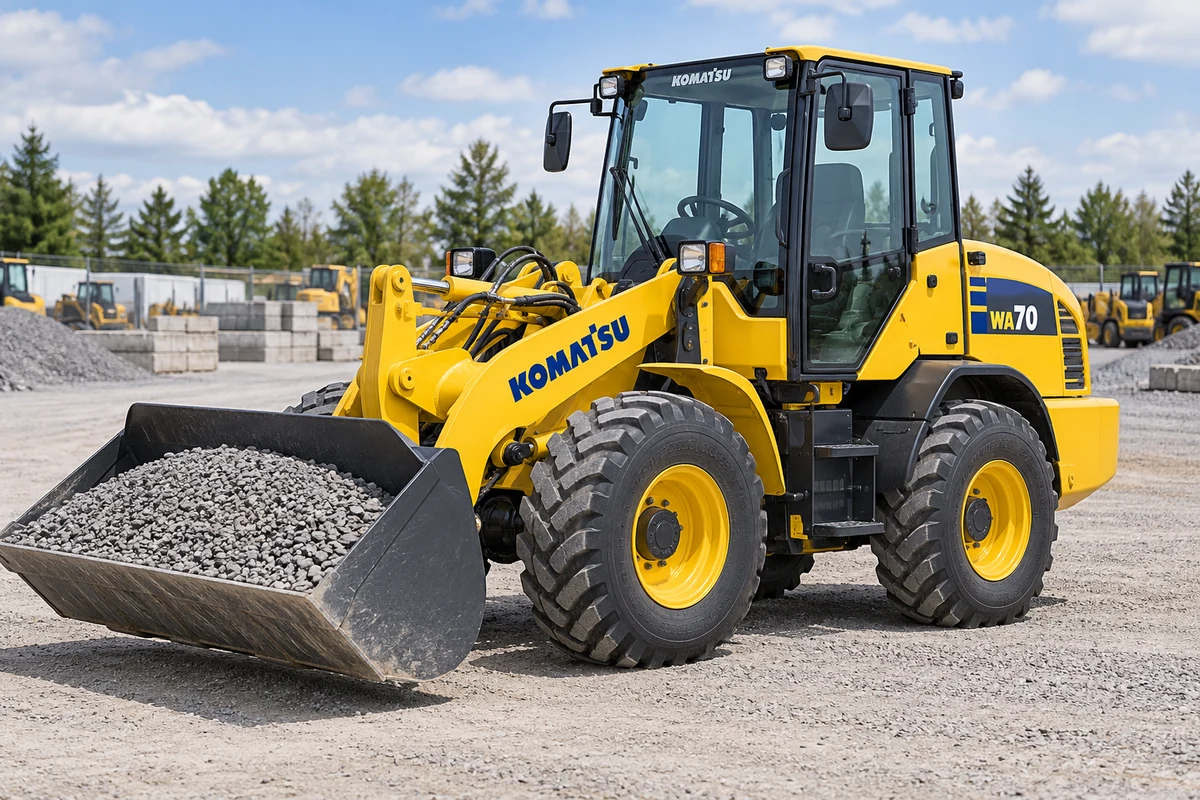
Ask for a normal operating demonstration
Agree on a safe, representative task for the loader and the material available at the inspection site. Observe cold start where practical, warm-up, steering, forward and reverse travel, braking, bucket movement and repeated loading cycles. The goal is to document what the specific machine does under normal operation, not to push it beyond its rated limits.
If an engine runs smoothly at idle but loses power when working, treat that as a symptom requiring diagnosis. Do not assume the cause or accept a seller’s quick explanation without supporting evidence. Ask a qualified technician to assess the engine, fuel and air systems, cooling, transmission and hydraulics as appropriate to the observed behavior.
Check the machine identity and history
Record the exact make, model and serial or product identification number. Match the identification plate to the quotation and available maintenance or repair records. Compare hour-meter readings over time where records are available, and ask for an explanation of gaps or changes.
Request dated photos and a continuous operating video of the actual unit. A catalogue photo or a video of a different machine does not verify the unit offered for sale.
Inspect key systems and wear areas
- Engine starting, exhaust, visible leaks and operation after warm-up.
- Transmission response and travel in forward and reverse under appropriate conditions.
- Steering, articulation joint movement, brakes and parking brake.
- Hydraulic cylinders, hoses, lift arms and bucket movement for leakage, damage or unusual noise.
- Tires for size, matching, visible damage and wear suited to the intended ground.
- Frame, welds, cab, controls, warning indicators and signs of previous repairs.
Have a qualified inspector assess the exact model using appropriate procedures and specifications. Ask for written findings, photos and repair estimates rather than relying on a verbal “good condition” description.
Separate visible condition from mechanical condition
Fresh paint, clean glass or tidy interiors can make a used loader look appealing, but they do not show internal wear or prove reliable performance. Ask which areas were repaired or repainted and request supporting records where available. Treat statements such as “95% condition” as claims that need a clear basis and unit-specific evidence.
Compare the full used loader cost
Compare the machine price with inspection, immediate repairs, tires if needed, loading, inland transport, shipping, insurance and destination costs. Ask the seller for an itemized quotation that states what is included and excluded. Compare offers on the same delivery basis and confirm payment milestones and delivery terms in writing.
Consider the work cycle, operating environment and local service options when evaluating a used loader. A machine’s suitability depends on the specific job and condition, not brand reputation alone.
Questions to ask before you buy
- Can you confirm the machine’s exact identity, current location and available service history?
- Can I see a cold start and a continuous operating demonstration of this unit?
- Will the loader be demonstrated moving material under normal, safe operating conditions?
- What known defects, repairs or warning indicators should be disclosed?
- Can an independent inspector examine the loader before payment?
- What costs are included in the written delivery quotation?
Frequently Asked Questions
Why should a used loader be checked under load?
Some performance issues may not appear while idling. A representative, safe operating demonstration can reveal symptoms that need follow-up inspection. It does not replace a qualified technician’s diagnosis.
What if a wheel loader loses power while working?
Record the conditions and symptoms, then have a qualified technician inspect the machine using model-appropriate procedures. Do not assume one cause from a short demonstration or make a purchase decision without understanding the repair risk.
Can an idle video prove that a used loader is in good condition?
No. It can show starting and idle behavior, but it does not establish performance under work conditions, transmission response, steering, braking or hydraulic behavior. Request a safe operating demonstration and independent inspection.
What should I inspect on a used wheel loader?
Verify identity and records, then assess engine, transmission, hydraulics, steering, articulation, brakes, tires, frame, controls and warning indicators. Use a qualified inspector for the exact model.
Does a “95% condition” claim prove that a loader is nearly new?
No universal percentage rating is established by appearance alone. Ask what criteria the seller used and request current evidence and an independent inspection of the specific machine.